

Using AI to Improve Access to Fair Trading Information

Deepend designed and tested an AI-powered rental bond chatbot for NSW Fair Trading, moving from concept to in-market prototype testing in three weeks and achieving more than 85% positive user feedback.
Client: NSW Department of Finance, Services and Innovation
Industry: Government
Services: Digital Transformation & Strategy; Intelligent Platforms & AI Systems; Human & Machine Experience Design
Target Audience: Government agencies and service organisations with high-volume enquiries and complex public information.
Year: 2016
The volume and quality of work that we’ve collectively delivered, in such a short time, is incredible. Why aren’t we working in this manner all the time?
Peter Kostantakis - DIRECTOR, Better Regulation Division
Overview
The NSW Department of Fair Trading is a sub-division of DFSI responsible for the administration of consumer protection laws in NSW. They aim to ensure consumers and business alike are treated fairly and equitably in transacting between themselves. As such, a large component of what they do involves informing consumers of their rights and facilitating dispute resolution between the parties.
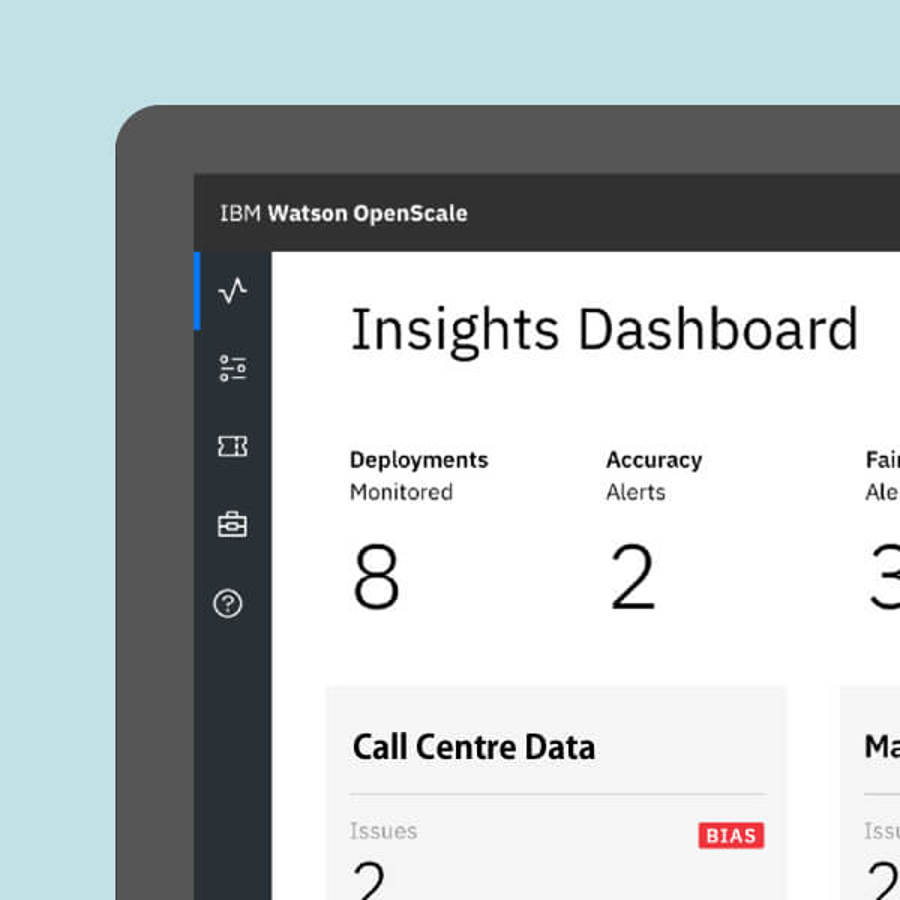
The Department was interested to explore the use of artificial intelligence (A.I) e.g. chatbots, to ease the burden on its call-centre and facilitate deeper browsing of its website, more relevant content and resources. After running three years of call transcripts through IBM Watson’s AI Suite, we settled on ‘Rental Bond’ disagreements as a topic area to test the use of such technologies. We set ourselves a goal of rapidly iterating and having a prototype in market within 3-4 weeks.
The Challenge
NSW Fair Trading manages consumer protection information and dispute support across high-volume service areas. The Department wanted to test whether AI could improve online self-service and reduce pressure on its call centre.
The Opportunity
Three years of call-centre transcripts had been analysed using IBM Watson. Rental bond disagreements emerged as a focused use case for testing conversational AI before considering broader rollout.
Our Approach
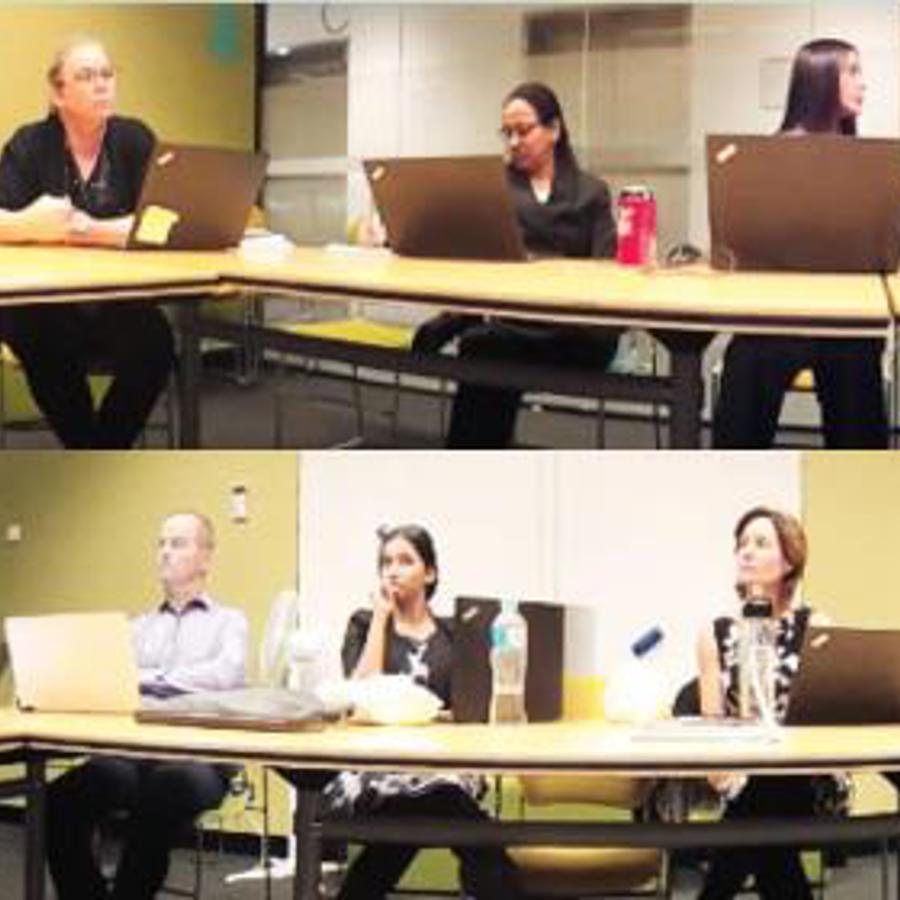
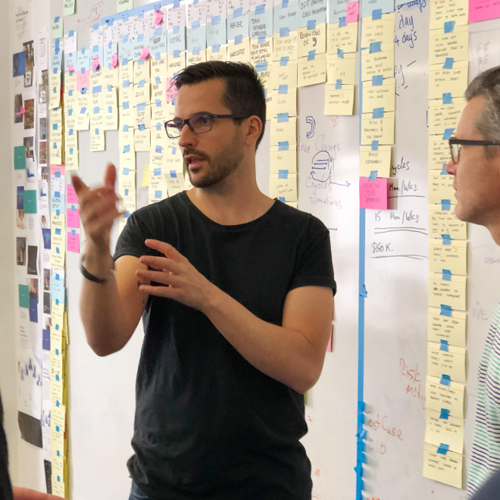
Deepend began with stakeholder workshops involving internal and external users, then mapped use cases, legislative constraints and conversation flows. The team iterated the prototype over three weeks using recurring user-testing cohorts.
What We Delivered
- AI and chatbot opportunity definition
- Stakeholder workshops
- Conversation mapping
- Conversational UX design
- Chatbot persona and tone of voice
- UI design and iconography
- Facebook Messenger prototype
- Lookback user testing
- Rapid prototype iteration
- In-market testing framework
Lookback User Testing
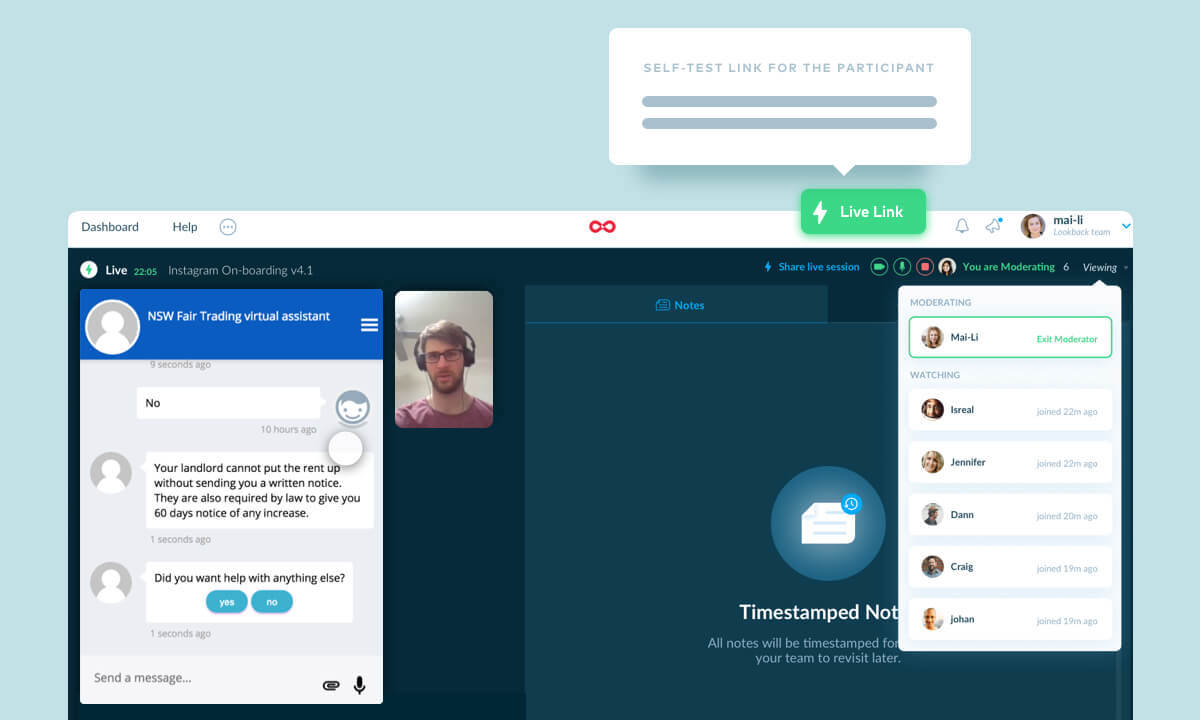
We used the Lookback tool to capture both test users facial expressions, as well as their mouse movements. This added another level of comprehension to assessing usability, allowing assess the users' expressions at particular difficult moments of interaction.
Value and Impact
In-market in 3 weeks
It might have been ambitious, but we went from concept to in-market testing of a prototype in just 3 weeks!
We created a more positive experience
Over 85% of test users said that the prototype contributed to a “more positive experience” of the Department of Fair Trading website
Call centre reduction
We are now in extensive conversation mapping across a number of key DFT content areas, with an overarching goal of reducing the load on the call centre
Problem & Insight
Fair Trading customers often need to navigate detailed consumer legislation and dispute information before deciding whether to contact the Department. Analysis of three years of call-centre data helped identify rental bond disputes as an area where guided online support could potentially improve self-service.
Strategy & Experience Design
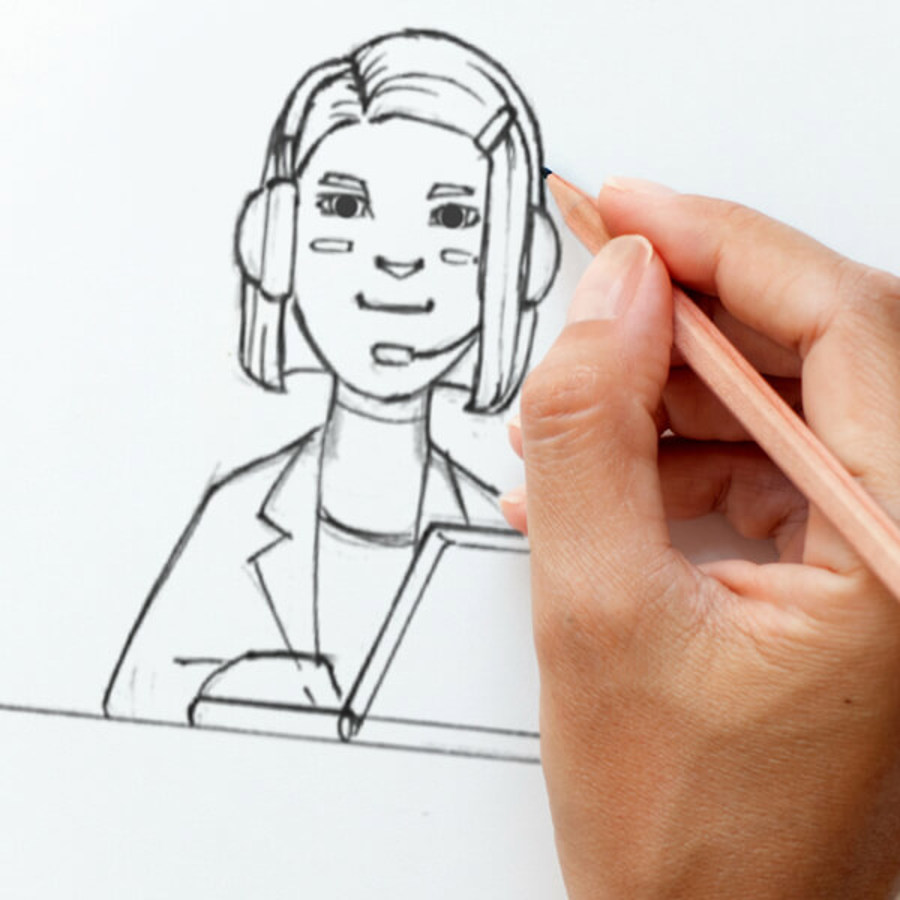
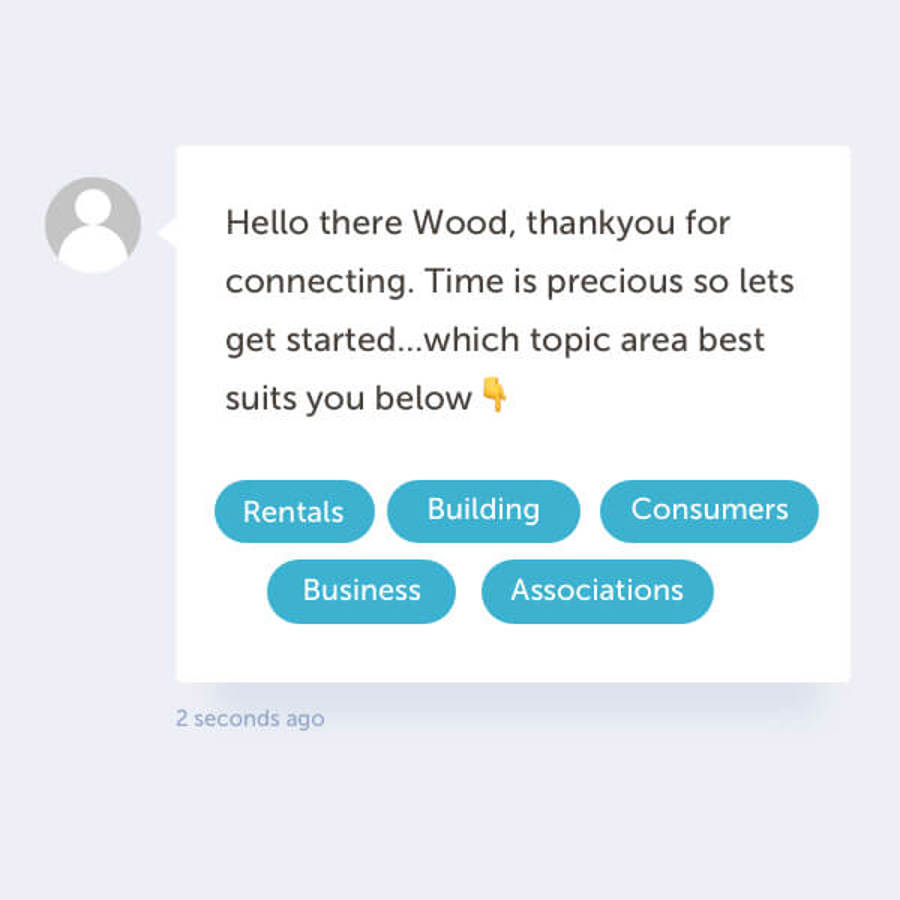
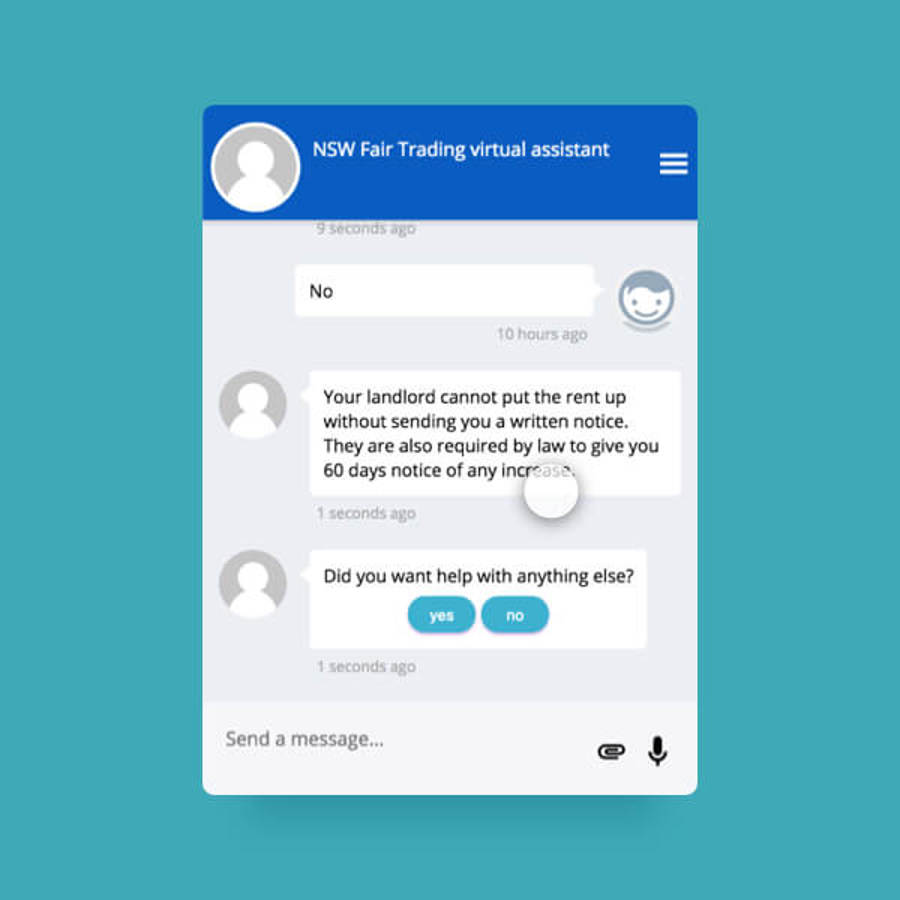
Deepend mapped conversations around real user needs and identified areas where legislation or available content did not provide a clear resolution. The chatbot persona, Holly - The Rental Helper, was designed to feel useful and pragmatic.
Testing also showed that the conversational tone sometimes encouraged users to thank the bot, interrupting the intended flow. The team adjusted the content structure in response.
Technology & Delivery
IBM Watson was used to analyse three years of call-centre transcripts and support selection of the rental bond use case. Deepend used Facebook Messenger as the prototype framework because users were already familiar with its interaction patterns.
Lookback captured facial expressions and mouse movements during testing, while recurring cohorts helped the team compare behaviour across iterations.
Results
The prototype moved from concept to in-market testing within three weeks and launched within the four-week delivery target. More than 85% of test users reported that the prototype contributed to a more positive Fair Trading website experience.
The Department then moved into broader conversation mapping, with the longer-term aim of reducing call-centre demand.
Frequently Asked Questions
1. What was the goal of Deepend's project with NSW Fair Trading?
NSW Fair Trading wanted to test whether artificial intelligence, such as chatbots, could ease the burden on its call centre and help customers navigate consumer protection information and dispute resolution more easily online.
2. What technology did Deepend use to identify the chatbot's focus area?
Deepend ran three years of NSW Fair Trading's call-centre transcripts through IBM Watson's AI Suite, which identified rental bond disagreements as a priority topic for testing conversational AI.
3. What is "Holly - The Rental Helper"?
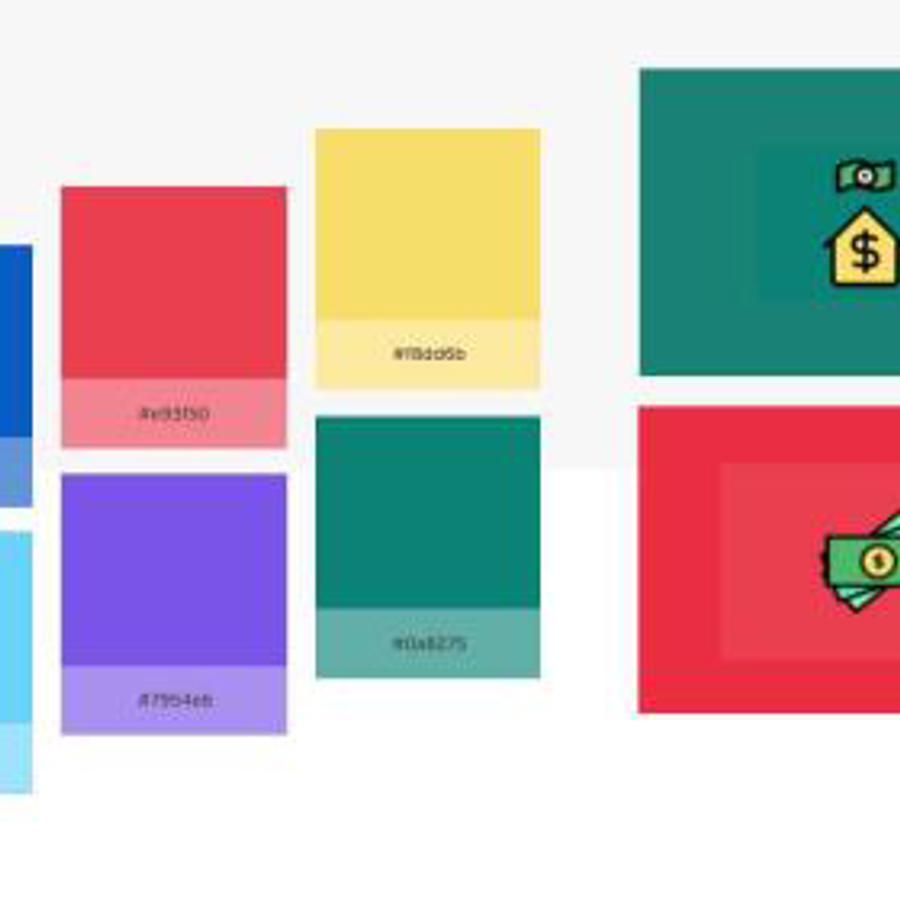
Holly is the chatbot persona Deepend designed for the project, built with a pragmatic tone of voice and a bold colour palette and iconography to help users quickly recognise different types of content.
4. How long did it take to get the chatbot prototype in market?
Deepend moved from concept to in-market testing of the prototype in just three weeks, meeting the team's four-week delivery target.
5. What were the results of the rental bond chatbot prototype?
More than 85% of test users said the prototype contributed to a more positive experience of the Fair Trading website, and the Department went on to expand conversation mapping across other content areas with the goal of further reducing call-centre demand.



-

2024
Best in Class for Digital Design - Software & Apps
Sound Storm
-
2023
Digital Design - Apps & Software
ReachOut PeerChat
-

2023
Winner - Interact
ReachOut - PeerChat
-
2022
Digital Design - Web design & development
Royal Flying Doctor Service
-
2022
Digital Design - Web design & Development
Active Super
-

2022
Finalist for Digital Transformation Consultancy
B & T