

Turning Pre-Cruise Excitement into Revenue Growth for P&O Cruises

Deepend redesigned P&O Cruises' Cruise Control using behavioural research, social features, mobile-first UX and integrated Shore Tour booking, resulting in 90% uptake, 30% purchase conversion and 32% pre-cruise revenue growth.
Client: P&O Cruises
Industry: Travel & Tourism, Cruise, Leisure
Services: Human & Machine Experience Design; Digital Transformation & Strategy; Technology & Artificial Intelligence
Target Audiences: Customers who had already booked a P&O cruise and were preparing for departure.
Year: 2017
The new 'Cruise Control' takes perfect advantage of the lengthy lead time and by leveraging social feeds, harnesses the collective enthusiasm of our passengers, to drive a sizeable shift in revenue
Simon Cheng - Marketing Director, P&O Cruises
Overview
Prior to its redevelopment, the P&O’s 'Cruise Control' function was used purely for verifying passengers details for their upcoming cruise and communicating basic administrative updates about check-in and departure time.
Driven by last minute deals and increasing price parity across platforms, most forms of tourism booking have seen lead times reduced over recent years. Cruising has bucked this trend, often seeing many passengers book travel months in advance.
Working with P&O, we capitalised on the opportunity to leverage passengers’ collective enthusiasm for their upcoming cruise to drive revenue growth in the lead up to their departure.
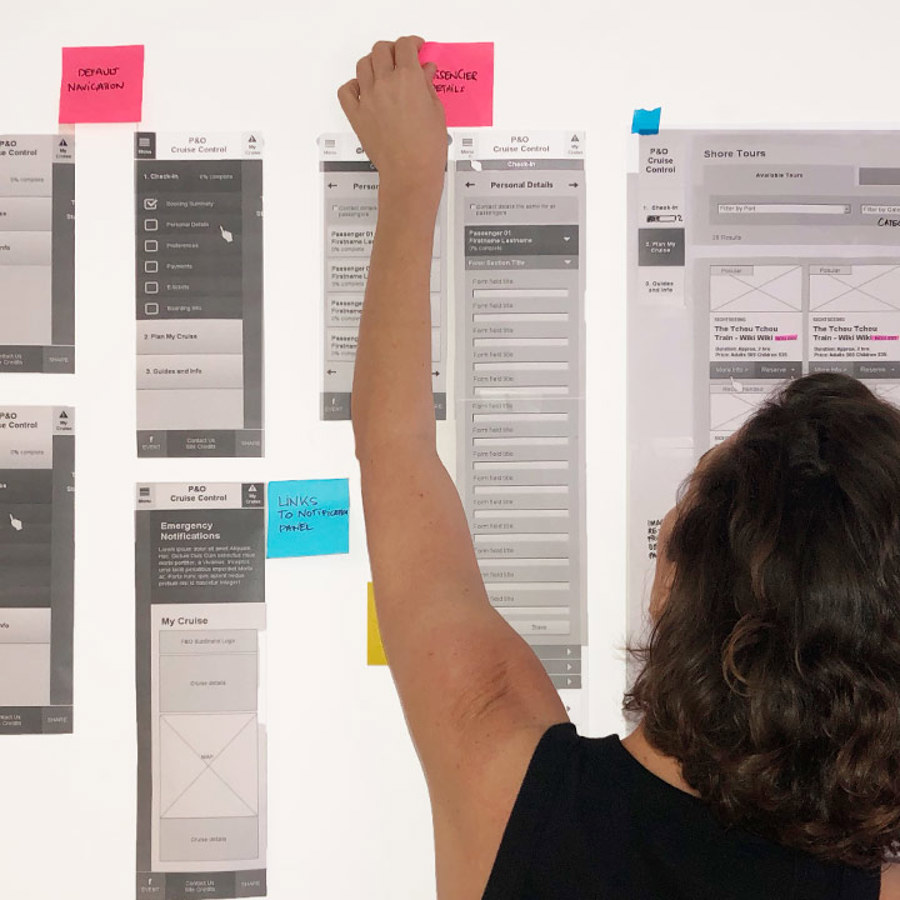
Deepend combined qualitative and quantitative user research with behavioural analysis to understand what passengers needed after booking.
Exit surveys, internal search behaviour and content engagement helped shape the feature set, while mobile-first UX, social integration and a standardised web services layer connected planning, content and commerce.
What We Delivered
- Qualitative and quantitative customer research
- Behavioural and internal search analysis
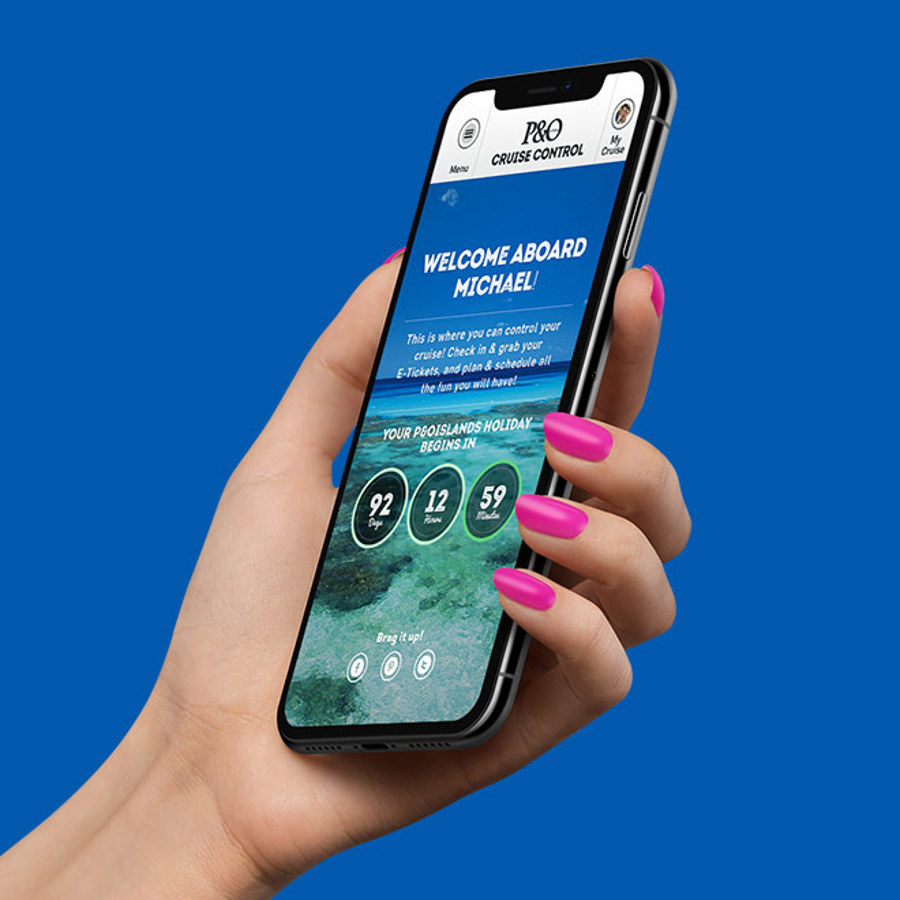
- Mobile-responsive Cruise Control experience
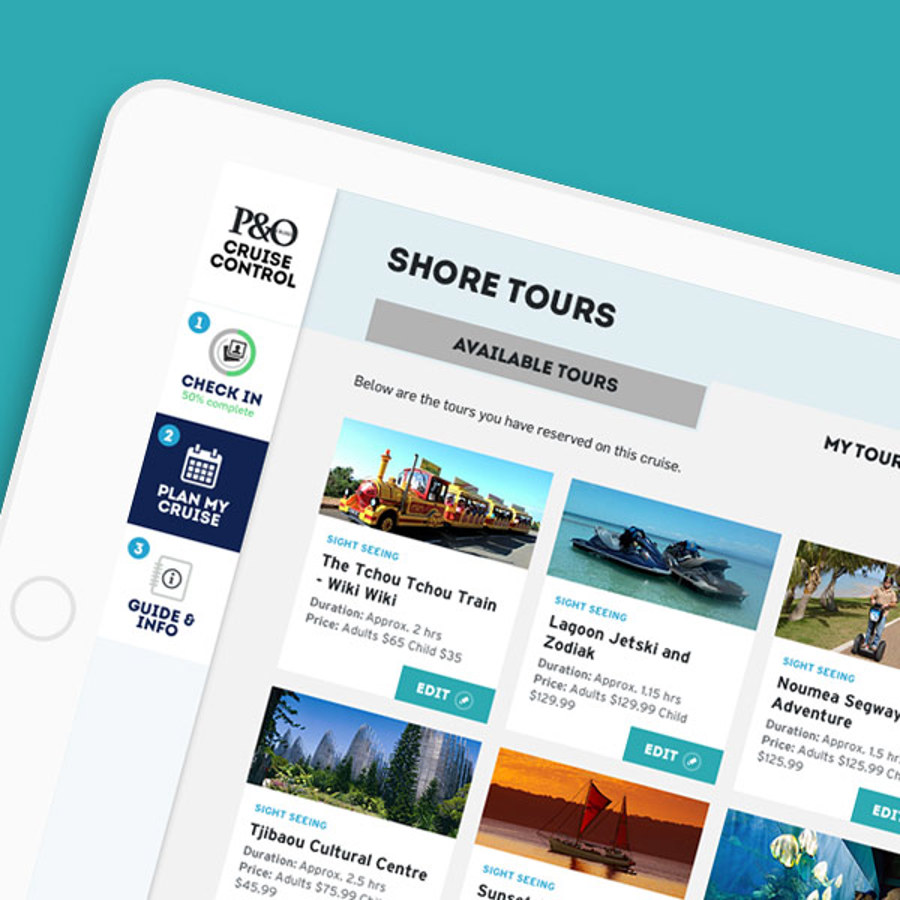
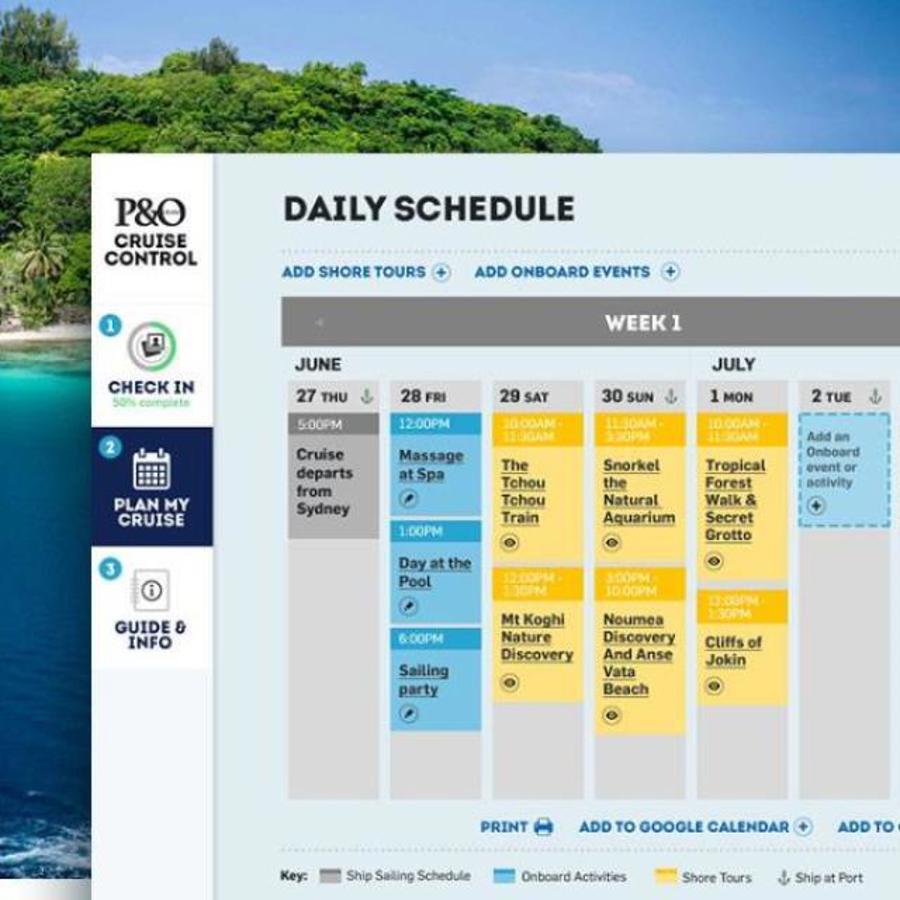
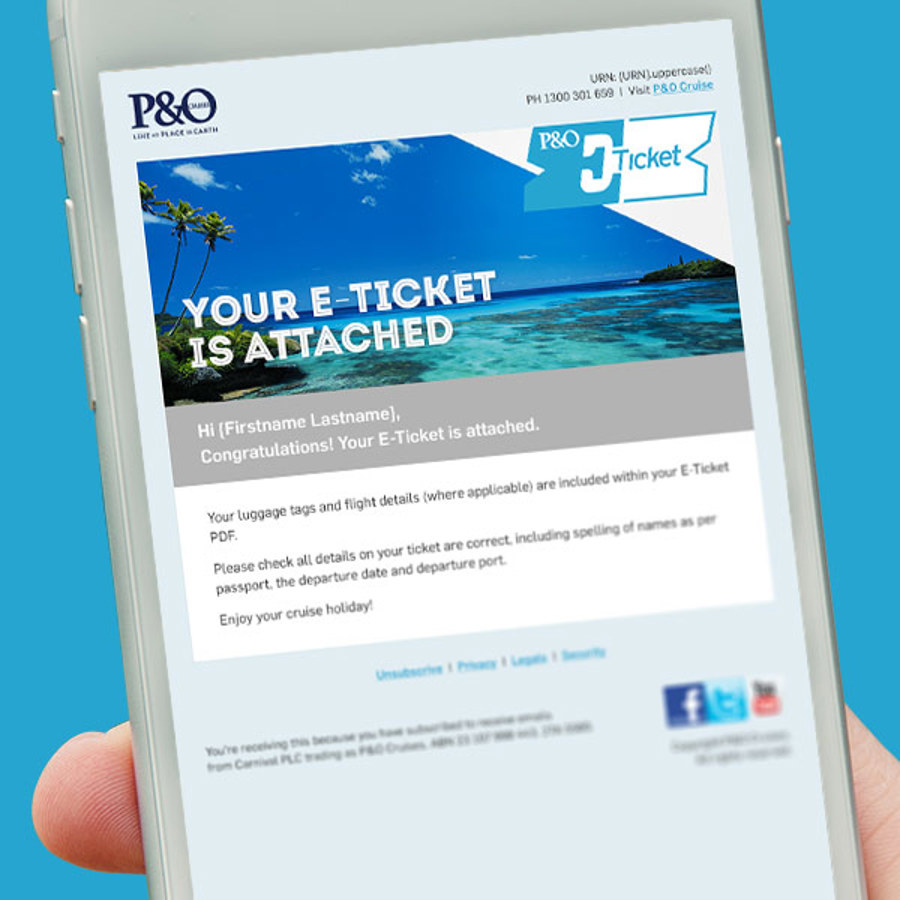
- Pre-cruise Shore Tour discovery and booking
- Virtual itinerary calendar
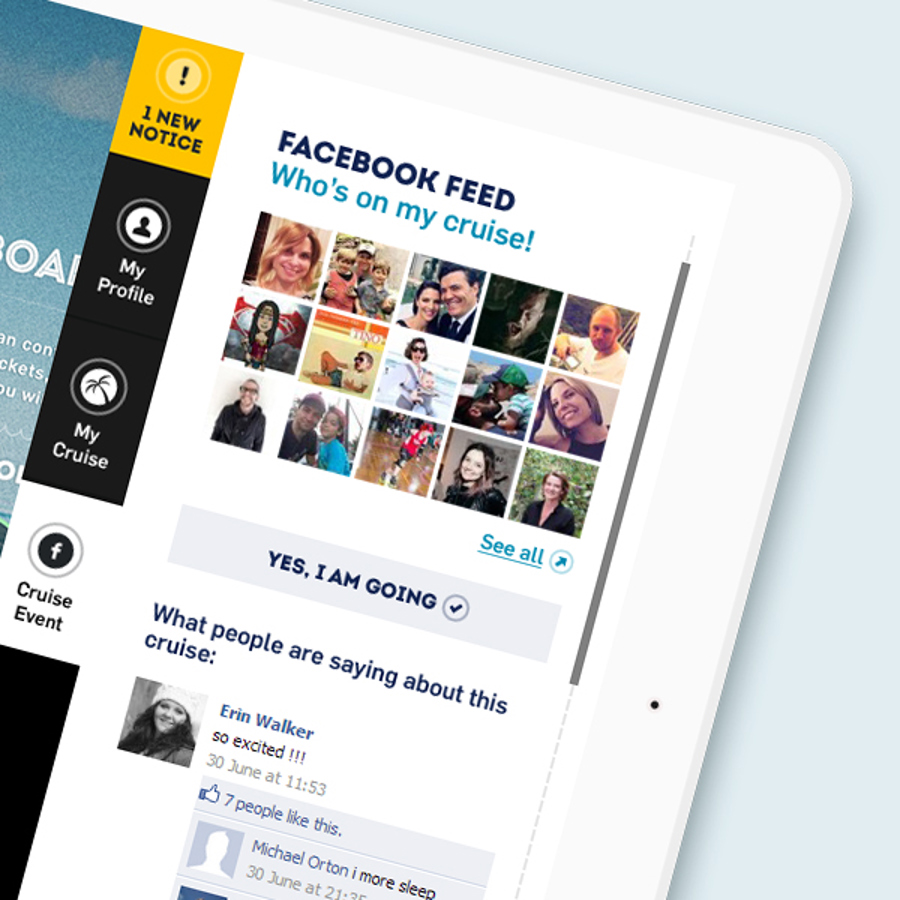
- Social authentication and passenger connection features
- Social itinerary sharing
- Video-led Shore Tour content
- Standardised web services layer
- Customer-specific data integration
Impact
- 32% increase in pre-cruise revenue
- 90% customer uptake after ticket purchase
- 30% of Cruise Control users made pre-cruise purchases such as Shore Tours
- Earlier Shore Tour bookings supported more efficient resource scheduling at each port
- Social and itinerary features created more opportunities for customer interaction before departure
Problem & Insight
Research showed that passengers were using P&O's digital channels for more than booking administration. Internal search activity indicated that many users had moved into planning mode and were looking for activities within the context of their cruise.
Exit surveys also identified gaps in existing content, particularly around day-by-day itineraries. Behavioural evidence further showed that customers who viewed Shore Tour video content were more likely to proceed to booking.
Strategy & Experience Design
The experience was designed around three connected needs: excitement, usefulness and helpfulness. This created a clearer balance between practical pre-cruise information, inspiration and opportunities to personalise the trip.
Mobile responsiveness was prioritised because customers were likely to revisit Cruise Control during moments of downtime. Social authentication also allowed passengers to connect with friends and see others booked on the same cruise, extending the sense of anticipation.
Technology & Delivery
Deepend developed a standardised web services layer to surface Shore Tours and customer-specific information within Cruise Control.
Social media integration, customer data and itinerary functionality were brought together to support a more connected pre-departure experience while enabling customers to browse, purchase and share Shore Tours.
Results
Cruise Control shifted from a functional administration tool into a higher-value customer experience that supported planning, social interaction and commerce.
The redesigned platform achieved 90% uptake, a 30% purchase conversion rate among users and a 32% increase in pre-cruise revenue.
Frequently Asked Questions
What did Deepend change about P&O Cruises' Cruise Control?
Deepend transformed Cruise Control from a primarily administrative tool into a pre-departure planning and commerce experience that combined practical information, Shore Tour booking, social connection and itinerary sharing.
What results did the redesigned Cruise Control achieve?
The live case study reports a 32% increase in pre-cruise revenue, 90% customer uptake after ticket purchase and a 30% purchase conversion rate among customers using Cruise Control.
How did customer research shape Cruise Control?
Deepend used qualitative and quantitative research, exit surveys and internal search behaviour to identify what passengers needed after booking. The findings shaped content, planning and commerce features.
How did Cruise Control support Shore Tour sales?
The platform surfaced available Shore Tours before departure, allowed customers to book and pay in advance and saved bookings to a virtual itinerary. Video content also supported customers as they considered tour options.
Why was social integration included in Cruise Control?
Social authentication and passenger visualisation helped customers connect with friends and other passengers booked on the same cruise. The feature was designed to amplify anticipation and encourage further interaction with Shore Tour content.



-

2024
Best in Class for Digital Design - Software & Apps
Sound Storm
-
2023
Digital Design - Apps & Software
ReachOut PeerChat
-

2023
Winner - Interact
ReachOut - PeerChat
-
2022
Digital Design - Web design & development
Royal Flying Doctor Service
-
2022
Digital Design - Web design & Development
Active Super
-

2022
Finalist for Digital Transformation Consultancy
B & T