

Personalising the Path to Booking for Hamilton Island

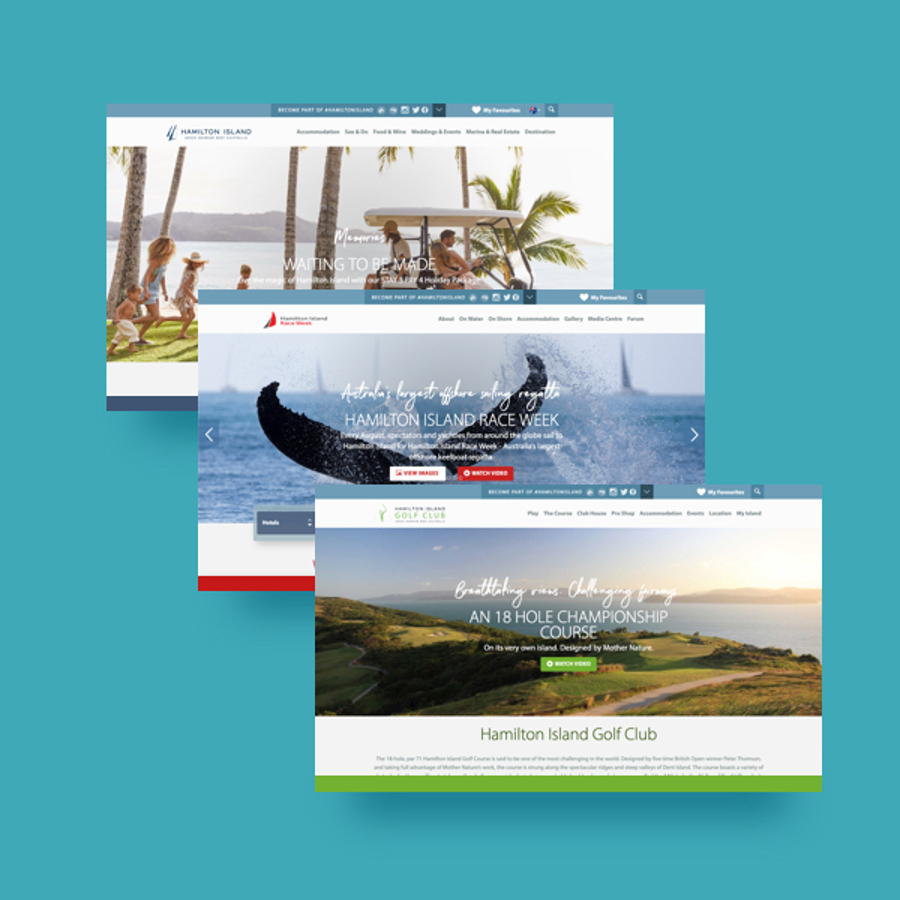
Deepend built a responsive, personalised Kentico platform for Hamilton Island that adapts content to customer intent, supports direct booking and reuses centrally managed content across web, mobile and on-island touchpoints.
Client: Hamilton Island
Industry: Travel & Tourism, Hospitality, Destination Marketing
Services: Human & Machine Experience Design; Digital Transformation & Strategy; Technology & Artificial Intelligence Content, Visibility and Analytics
Target Audiences: Relevant for travel, hospitality and destination brands that need to connect inspiration, personalisation and booking while managing content efficiently across multiple customer touchpoints.
Year: 2017
The redesign has positioned Hamilton Island as the world class destination we know it to be. We’ve already seen improvements across the board, particularly a shift towards increased direct bookings as a result.
Aida Merdovic - Head of Online, Hamilton Island
Overview
Deepend redesigned Hamilton Island’s digital experience to make booking easier, personalise content around purchase intent and centralise content across digital and on-island channels. The result was a more responsive, commercially focused platform that supported increased direct bookings and improved content management efficiency.
The Challenge
Hamilton Island’s existing digital platforms had become difficult for both customers and internal teams to use. The site was cumbersome to maintain, while a difficult booking experience contributed to low conversion and reduced direct revenue opportunities.
The Opportunity
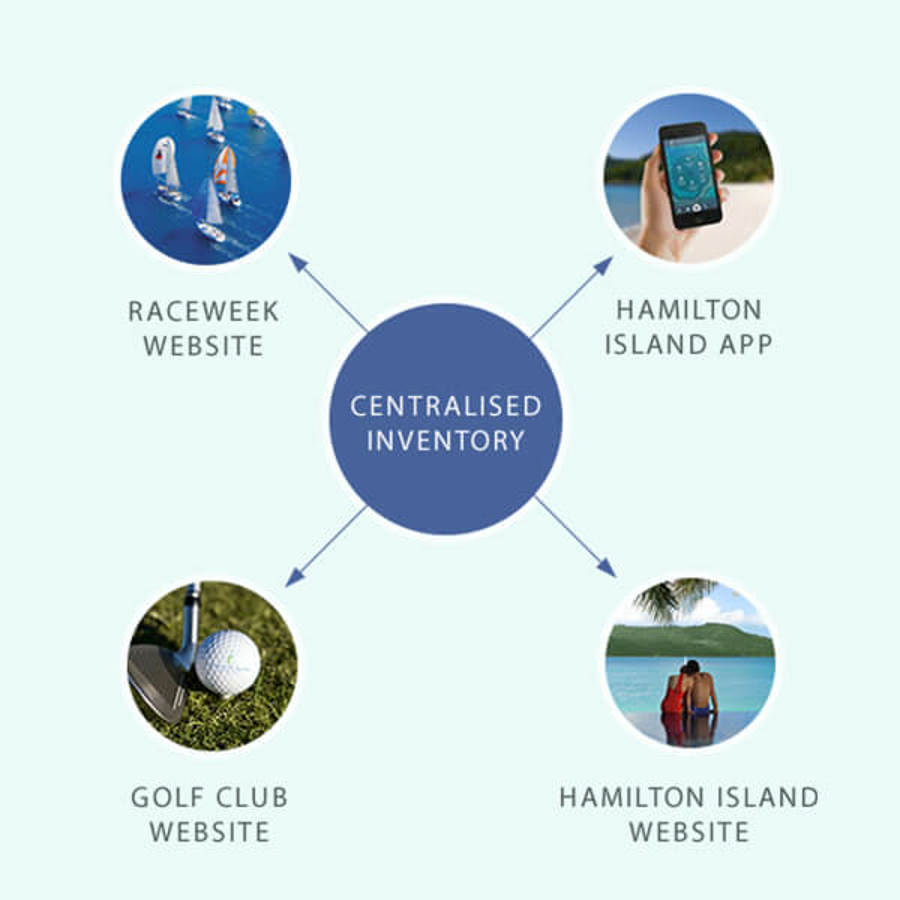
Deepend identified an opportunity to connect content, customer intent and booking in one responsive experience. A central content model could also reduce duplication by allowing teams to create content once and reuse it across multiple channels.
Our Approach
Deepend researched leading travel and ecommerce experiences to understand different user needs across the path to purchase. Quantitative and qualitative research informed core personas, while behavioural tracking and content filtering were used to tailor the experience as customers moved from exploration to planning and booking.


What We Delivered
- Responsive website and booking experience
- Personalised content based on purchase stage
- Behavioural tracking and content filtering
- Kentico CMS implementation
- Centralised content repository
- Multi-channel and on-island content publishing
- Mobile-responsive booking engine
- Large-format destination photography
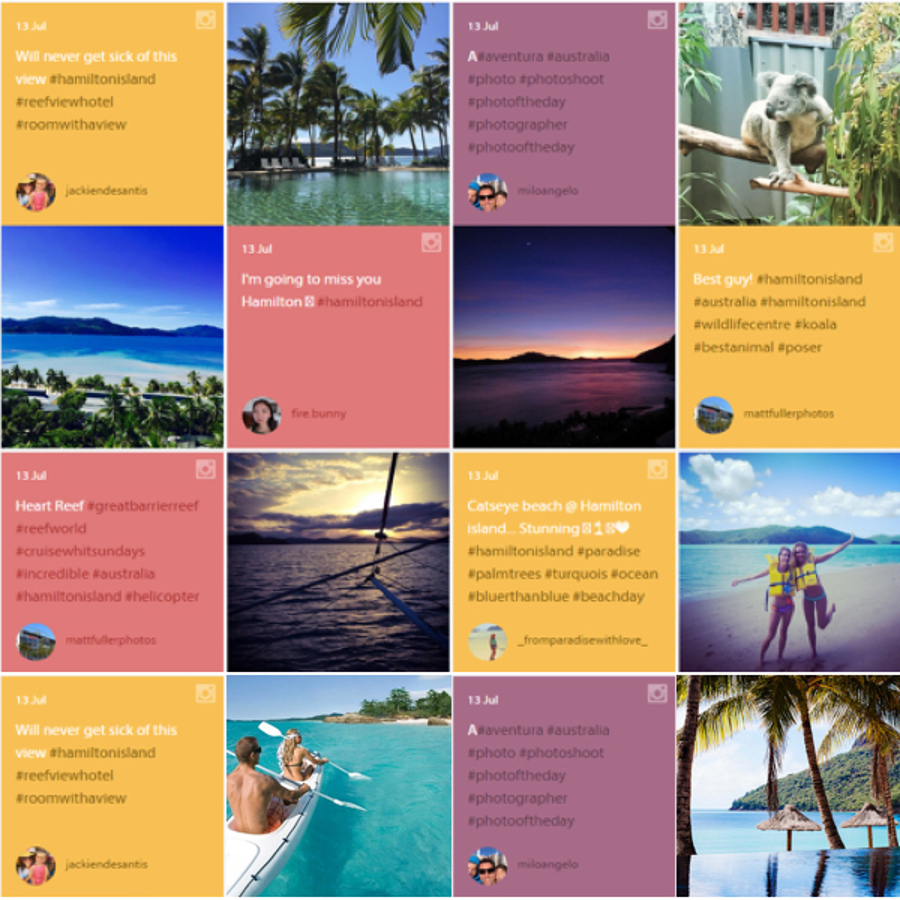
- Stackla social content integration
- Multilingual content workflow
- Customer personas and journey-based content model
Impact
- Supported a shift towards increased direct bookings
- Improved content management efficiency through a centralised content inventory
- Enabled real-time content publishing across multiple devices and on-island facilities
- Created a more tailored experience based on customer purchase intent
- Made the booking journey fully responsive across devices
Informing core site personas
We used both quantitative and qualitative research to compile key site personas, indicative of each users progression through their path to purchase.

Refactoring content based on need state
Content was refactored based on need state, and emphasis and positioning affected by where the users were deemed to be in their journey
Problem & Insight
The original digital experience was not supporting Hamilton Island’s commercial potential. Customers experienced friction when researching and booking, while staff had to manage content across a fragmented set of channels.
Research showed that travellers need different information at different stages of the purchase journey. This insight became the basis for a more adaptive experience that changed content emphasis as users moved closer to booking.
Strategy & Experience Design
Deepend used research-led personas and journey stages to restructure content around customer need states. Users closer to conversion were shown stronger pricing and offer cues, while those earlier in the journey received more inspirational and exploratory content.
Large-format professional photography and social content were used to bring the destination experience forward, helping the island’s natural appeal play a stronger role in consideration and planning.
Technology & Delivery
The solution used Kentico CMS and a central content repository to publish shared content across multiple instances and outputs. Core content could be reused across the main website, mobile application, in-room displays, restaurant menus and activity booking touchscreens.
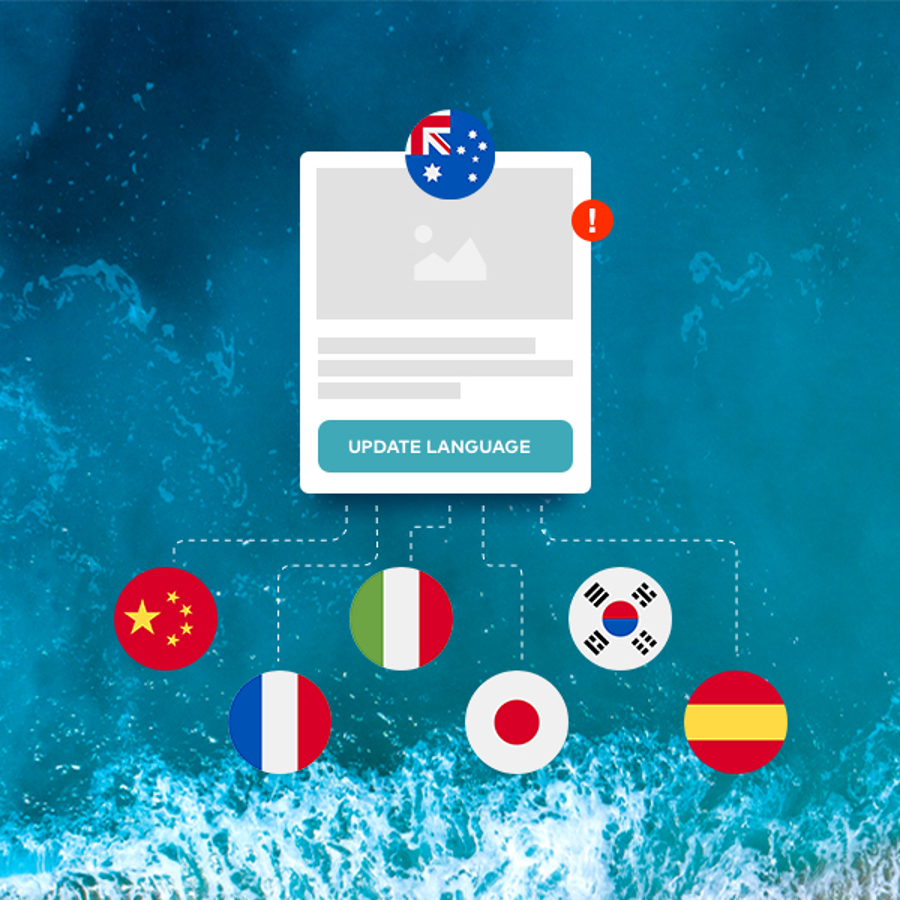
Multilingual publishing workflows alerted content editors when new English content was released, helping other language teams adapt and reuse the same core content objects.
Results
The redesigned experience improved the path to booking and supported an increase in direct bookings, while the central content model created efficiencies for internal publishing teams.
Hamilton Island also gained a more flexible digital foundation capable of delivering consistent, personalised content across web, mobile and on-island touchpoints.




-

2026
Winner Web Design and Development
Adelaide Airport
-
2024
Best in Class for Digital Design - Software & Apps
Sound Storm
-
2023
Digital Design - Apps & Software
ReachOut PeerChat
-

2023
Winner - Interact
ReachOut - PeerChat
-
2022
Digital Design - Web design & development
Royal Flying Doctor Service
-
2022
Digital Design - Web design & Development
Active Super
-

2022
Finalist for Digital Transformation Consultancy
B & T
Frequently Asked Questions
What did Deepend redesign for Hamilton Island?
Deepend redesigned Hamilton Island’s digital platform to improve the booking journey, personalise content based on customer intent and centralise content management across web, mobile and on-island touchpoints.
How did Hamilton Island personalise the website experience?
Behavioural tracking and content filtering were used to adapt content to a customer’s stage in the purchase journey. Users closer to booking were shown stronger pricing and offer cues, while earlier-stage users received more inspirational content.
What technology was used for the Hamilton Island website?
The platform used Kentico CMS for content publishing and Stackla to aggregate and display user-generated social content.
How did the new platform improve content management?
A central content repository allowed teams to create content once and reuse it across the main website, mobile application and on-island channels such as restaurant menus, in-room displays and activity booking touchscreens.
Did the Hamilton Island redesign increase bookings?
The live case study states that Hamilton Island saw improvements across the board and a shift towards increased direct bookings. It does not publish a specific booking or revenue uplift percentage.